Current Exhibits
IRISH DONATION OF 1676
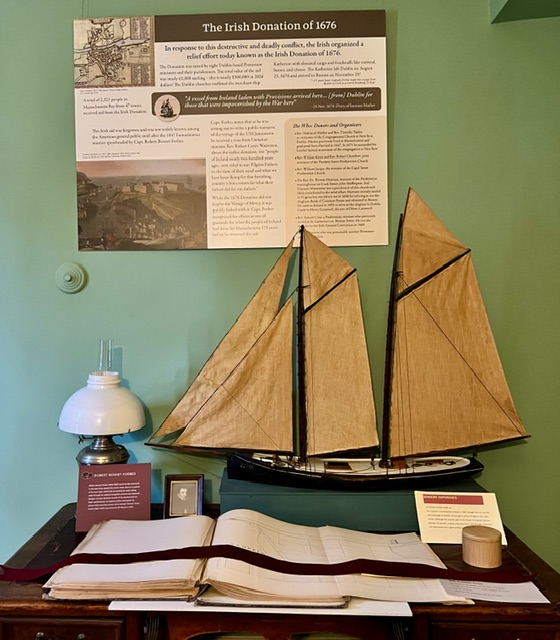
This year represents the 350th anniversary of the Irish Donation to Boston. The exhibit explains the layers of events which precipitated the Irish Donation, and later resonated with the 1847 “voyage of mercy” captained by Robert Bennet Forbes during the Irish Famine.
The Irish Donation, which was collected by Protestant leaders and parishioners in Dublin, was attended by certain conditions which transcended religious, territorial, and racial prejudices:
“an equall [sic] respect bee [sic] had to all godly p[er]sons agreeing [sic] in fundamentals of faith & order though differing about the subject of some ordinances,
& p[ar]ticularly that godly Antipeodobaptists58 [sic] bee [sic] not excluded…because sundry reports have come hither suggesting that godly p[er]sons of that p[er]swasion [sic] have been severely dealt withall [sic] in New England & also because divers of that p[er]swasion in this Citty [sic] have freely & very Considerably concurred in advanceing [sic] this releife [sic]”. The Irish donors also required that “if any of [th]e Indians in New England who have adhered to the English in the present Warr [sic] bee [sic] brought to distress by their barbarous country men we desyre [sic] that they by no means bee [sic] forgotten.”
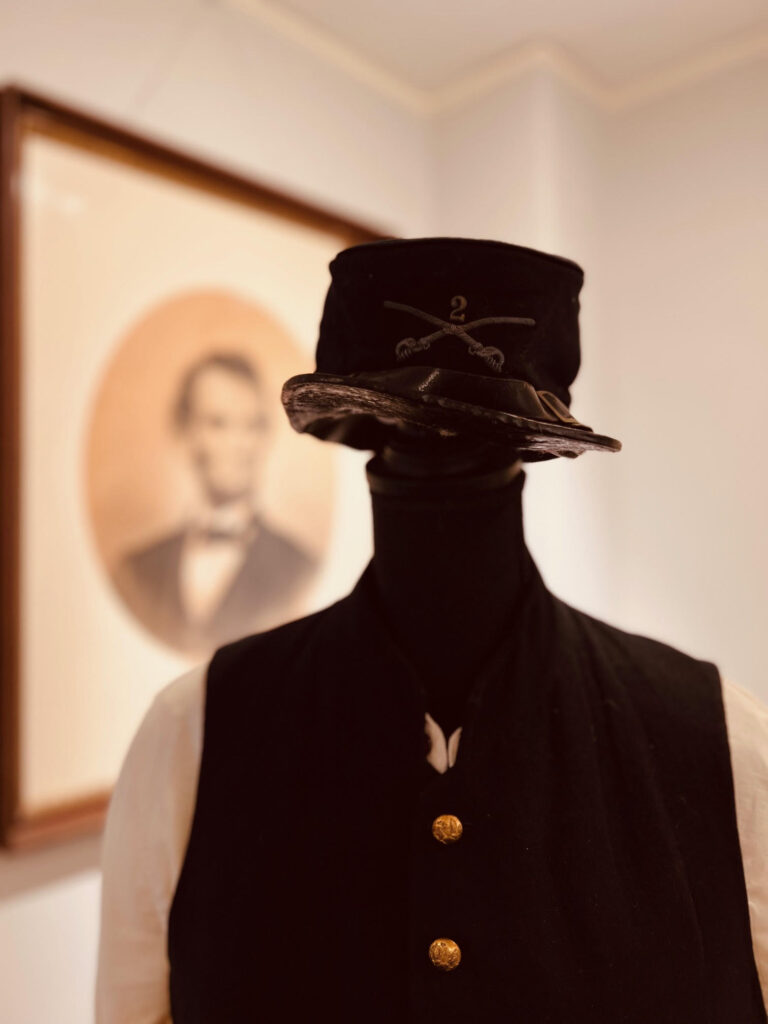
CIVIL WAR UNIFORM
William Hathaway Forbes’s Union Army uniform from the 2nd Cavalry, Massachusetts Volunteers is currently on display, along with other items from the time period, and information of William’s capture and tenure as a Confederate prisoner-of-war.
Upstairs Downstairs: Irish Workers and the 1870s Kitchen
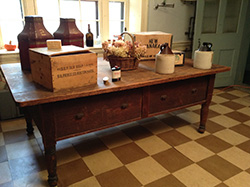
The ground floor of the Museum features an 1870s kitchen with an iron stove, ice box, bell system for calling servants, and a 100-year-old box of S.S. Pierce soap with 20 original bars inside. Cooking and washing laundry were done on the ground level by domestic workers, all of whom were immigrants from Ireland (except for one Swedish woman). The Forbes family also employed chauffeurs, groundskeepers and caretakers of horses, goats, and dogs. At the height of activity on the property—after 1870 when James Murray Forbes and his family resided there more frequently—ten to twelve paid servants worked on the premises.
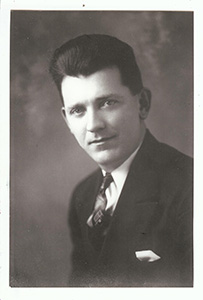
The Museum has researched the lives of Irish workers and conducted several oral history interviews with their children and grandchildren. From 1833 to 2000, 41 people worked (and sometimes also lived) at Forbes House. Among them was Michael Burke, who was employed by the Forbes family for 76 years, even after the mansion was converted into a museum. Burke emigrated from County Galway, Ireland, in 1924 at the age of eighteen.